



Pregnancy can be both exciting and terrifying at the same time. It includes a lot of tests to monitor how you and your baby are doing. Blood and urine tests and ultrasounds are just some of these tests to ensure your baby’s health. With a baby monitor, you can also ensure the safety of your baby by keeping track of your baby’s heart rate. The heartbeat monitor sound equipped with these devices will send you alerts to any unusual patterns detected in your baby.
Fetal heart rate monitoring may also be performed during your pregnancy to provide a more detailed assessment of your baby’s health in addition to at-home monitoring
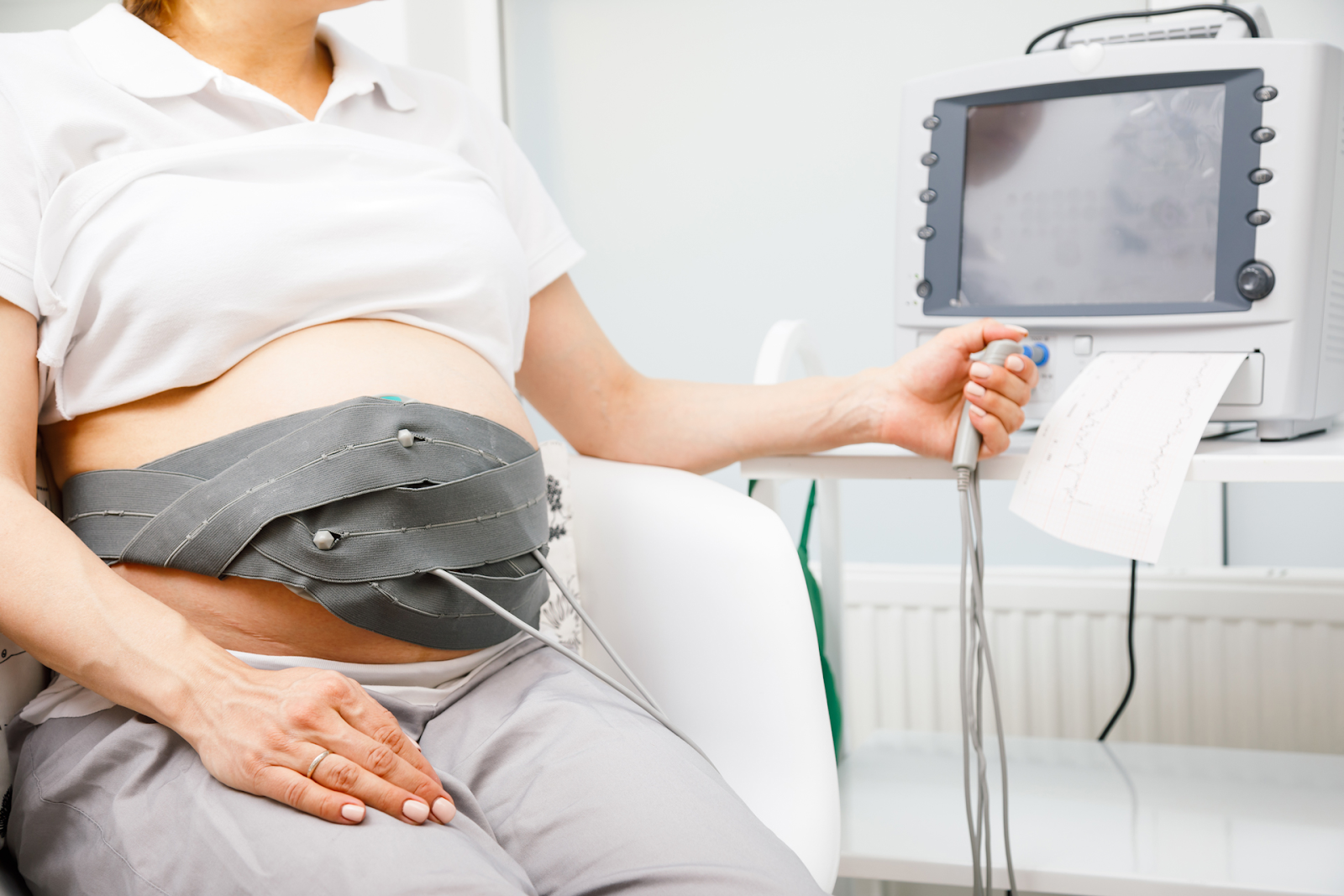
What Is Fetal Heart Rate Monitoring?
You can monitor your baby’s heart rate at different stages of your pregnancy and during labor through fetal heart rate monitoring. This works by tracking your baby’s heart rate and determining the strength and duration of your contractions. Listening to your baby’s heart rate is one way you can tell how he or she is doing.
Your doctor will use advanced equipment to listen to the baby’s heartbeat. A fetal heart monitor, such as a cardiotograph (CTG) or handheld Doppler, is a device used to measure the fetal heart rate by placing it over your abdomen. It is typically used during labor to ensure the baby’s heart rate remains within the normal range between 120-160 beats per minute. The heartbeat monitor sound ensures that your baby is in a healthy state.
Three Ways to Monitor Fetal Heart Rate
The following are the three ways to monitor your baby’s heart rate:
- External monitoring: This type is the most common monitoring performed by professionals. Sensors are placed on your tummy and held in place with elastic bands.
The sensors attached to the machine will record your baby’s heart rate and uterine contractions. You’ll hear the rhythmic heartbeat monitor sound, which reflects your baby’s heart rate in real time. Though sometimes, external monitoring does not give a good reading on the baby’s health. This could be due to a woman’s weight, since the baby is small and is hard to keep on the monitor, or the baby is moving around too much. A fetoscope or Doppler device may also be used to check the fetal heart rate at regular intervals during labor. The baby’s heart rate
- Internal monitoring: When there are high-risk cases or when doctors are having problems picking up the baby’s heartbeat with the external monitor, an internal monitor is used. Internal monitors require that you be dilated and that the amniotic sac has ruptured. Doctors will insert a thin electrode inside your vagina and cervix and attach it to your baby’s scalp. They will also insert a small tube to monitor the contractions inside your uterus. The electrode and tube are attached to a device that continuously records your baby’s heart rate. This monitoring provides a more accurate and consistent transmission of the fetal heart rate compared to external monitoring.
- Intermittent auscultation: This monitoring is for those with low-risk situations. In this monitoring, an electronic monitor, a hand-held ultrasound device, or a stethoscope is used against your belly to listen to your baby’s heartbeat at certain intervals.
Fetal Heart Rate Changes Throughout Pregnancy
During most of your pregnancy, your baby’s heart rate will range between 120- 160 beats per minute (BPM). However, the heartbeat monitor sound of your baby may change depending on the stage of your pregnancy. Here’s what you can expect:
- Weeks 5-7: In the early stages of your pregnancy, your baby’s heart rate starts slowly as their heart is still developing around the fifth week. Their heart rate ranges from 90-110 BPM.
- Weeks 8-12: By week 9, your baby’s heart will speed up and will range from 140-170 BPM, and by week 12, the rate slows down a bit.
- Weeks 13-26: Throughout most of your pregnancy, the average heart rate of your baby is 110-160 BPM.
- Weeks 27-40: During your last trimester, the baby’s heart rate still ranges from 110-160 BPM. However, in your last 10 weeks, it will drop slightly. It moves toward the lower end of this range the closer you get to your due date.
What Can Fetal Heart Rate Monitoring Tell You About Your Baby?
Fetal heart rate monitoring is usually done to alert you and your doctor if your baby is not getting enough oxygen. A baby’s heart rate during labor should be between 110 and 160 beats per minute, but it may fluctuate above or below this rate for some reasons. One way you can tell your baby is getting enough oxygen supply is the short bursts of acceleration of your baby’s heart rate. Brief decelerations in your baby’s heart rate are also normal, such as when the baby’s head is compressed while in the birth canal.
If you don’t see fluctuations in your baby’s heart rate, it could mean several things, such as that the umbilical cord is compressed and blood flow to the baby has been slowed. If the fetal heart rate results show that your baby may be in danger, your doctor may recommend an operative vaginal delivery or a cesarean section.
What Are the Risks of Fetal Heart Rate Monitoring?
Fetal heart rate monitoring is safe. However, most experts believe that continuous monitoring is not necessary for pregnancies at low risk of complications. It can limit your movement, which can be helpful during labor. It also increases the chance of cesarean section or delivery using forceps or vacuum devices.
Internal monitoring can increase the risk:
- Asphyxiation of your baby and injury to their scalp
- Maternal infection
- Transmission of HIV or genital herpes from mother to baby
How to Keep Your Baby’s Heart Healthy During Pregnancy
Having a healthy pregnancy is critical to ensure your baby’s well-being. Once you find out that you’re pregnant, arrange an appointment with your doctor to begin prenatal care. The earlier you start receiving prenatal care, the higher the chances are that your baby will be healthy.
It’s important to remember that you’re no longer eating for yourself but for you and your baby. Your baby needs a healthy diet. Eating nutrient-dense foods will help your baby develop properly. Avoid foods high in fat, limit caffeine intake, and certain types of foods will also help in making your baby healthy.
Additionally, it’s important to get sleep even though your baby makes it a little difficult. Early on during your pregnancy, you should try to get used to sleeping on your side. As your pregnancy progresses, this position will be most likely comfortable. Lying on your side can help keep some of the baby’s weight from applying pressure to a vein that carries blood from the heart to the legs and feet. Good rest, along with regular monitoring of the heartbeat monitor sound, helps ensure both you and your baby remain healthy throughout pregnancy.

