


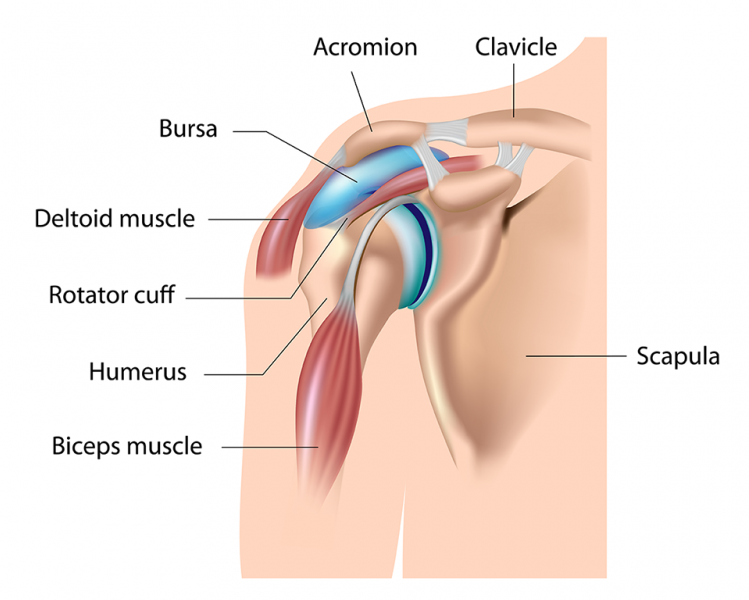
Shoulder pain and restricted movement are common complaints, but not all shoulder stiffness is the same. Many people assume that limited mobility automatically means a frozen shoulder, yet in reality, there’s a meaningful difference between a shoulder that’s simply stiff and one that’s truly frozen. Understanding this distinction is important, as it influences both treatment choices and recovery timelines.
Early on, shoulder stiffness can also overlap with other conditions involving irritation or inflammation around the joint. In some cases, symptoms may coexist with issues such as bursitis, which is why a structured approach to shoulder bursitis management is often discussed alongside shoulder mobility problems. Knowing what you’re dealing with helps ensure the right intervention is applied at the right time.
Understanding Normal Shoulder Stiffness
A stiff shoulder is typically the result of reduced movement, muscle tightness, or temporary inflammation. This can develop after an injury, surgery, prolonged desk work, or even sleeping awkwardly. Importantly, stiffness is often movement-dependent, meaning it improves as the shoulder warms up or after gentle stretching.
Some common signs of shoulder stiffness include:
- Tightness at the end of certain movements
- Discomfort that eases with activity
- Uneven mobility compared to the opposite shoulder
- Gradual improvement over days or weeks
In these cases, while movement may feel uncomfortable, it is usually still possible to move the shoulder through most ranges with some effort or guidance.
What Makes a Shoulder “Frozen”?
A frozen shoulder, clinically referred to as adhesive capsulitis, is a more complex and persistent condition. Rather than muscles being tight, the joint capsule itself becomes thickened and restricted, limiting movement in all directions.
Key characteristics of a frozen shoulder include:
- Global loss of movement (both active and passive)
- Pain even at rest, especially early on
- Little to no improvement with warming up
- Difficulty with everyday tasks like dressing or reaching overhead
- Symptoms lasting months rather than weeks
A critical distinction is that with a frozen shoulder, even when someone else moves your arm for you, the range remains limited. This is not usually the case with general stiffness.
The Three Stages of a Frozen Shoulder
Frozen shoulder typically progresses through three stages, which further sets it apart from standard stiffness:
- Freezing stage: Increasing pain and progressively reduced movement
- Frozen stage: Pain may settle, but stiffness becomes severe
- Thawing stage: Gradual return of movement over time
Each stage can last several months, meaning the full condition may persist for one to three years without appropriate management.
Simple Ways to Tell the Difference
While a formal assessment is always recommended, a few practical indicators can help differentiate stiffness from a frozen shoulder:
- Does movement improve during the day? Stiff shoulders often loosen with use; frozen shoulders rarely do.
- Is passive movement limited? If someone else cannot move your shoulder much further than you can, this suggests capsular restriction.
- Is pain present at night or at rest? Persistent, deep aching pain is more characteristic of a frozen shoulder, especially early on.
- Has the restriction worsened over time? Progressive loss of motion despite reduced activity is a red flag for frozen shoulder.
Why the Distinction Matters
Treating a stiff shoulder as if it were frozen—or vice versa—can slow recovery. Aggressive stretching too early in a frozen shoulder can worsen pain, while underloading a stiff shoulder may prolong unnecessary tightness. Accurate identification allows for a tailored approach that balances mobility, strength, and pain management.
When to Seek Professional Guidance
If shoulder restriction persists beyond a few weeks, interferes with sleep, or continues to worsen despite rest and gentle movement, a professional assessment is strongly advised. Early clarity can reduce frustration, shorten recovery time, and help prevent compensatory issues elsewhere in the body.
Not all shoulder stiffness signals a frozen shoulder, but recognising the difference is key to managing symptoms effectively. By paying attention to movement patterns, pain behaviour, and progression over time, you can gain valuable insight into what your shoulder is truly telling you… and take the right steps toward recovery.

