


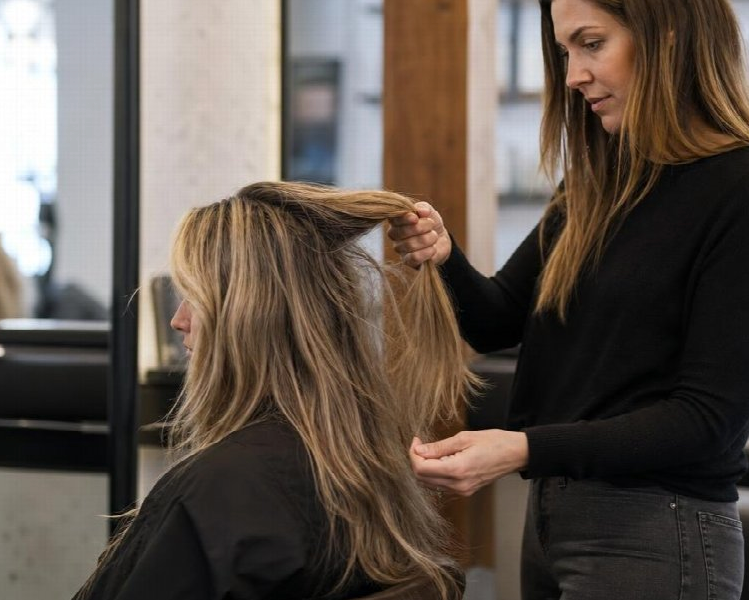
If your at-home color attempt left you with uneven patches, stubborn brassiness, or over-processed strands, the fix is rarely as simple as one more application. Each problem points to a different underlying issue. David Ryan Salon, located in Flower Mound, approaches corrective color as a staged process built around your hair’s specific history. Understanding why it rarely resolves in a single appointment requires a closer look at what this service actually demands.
What Color Correction Actually Is
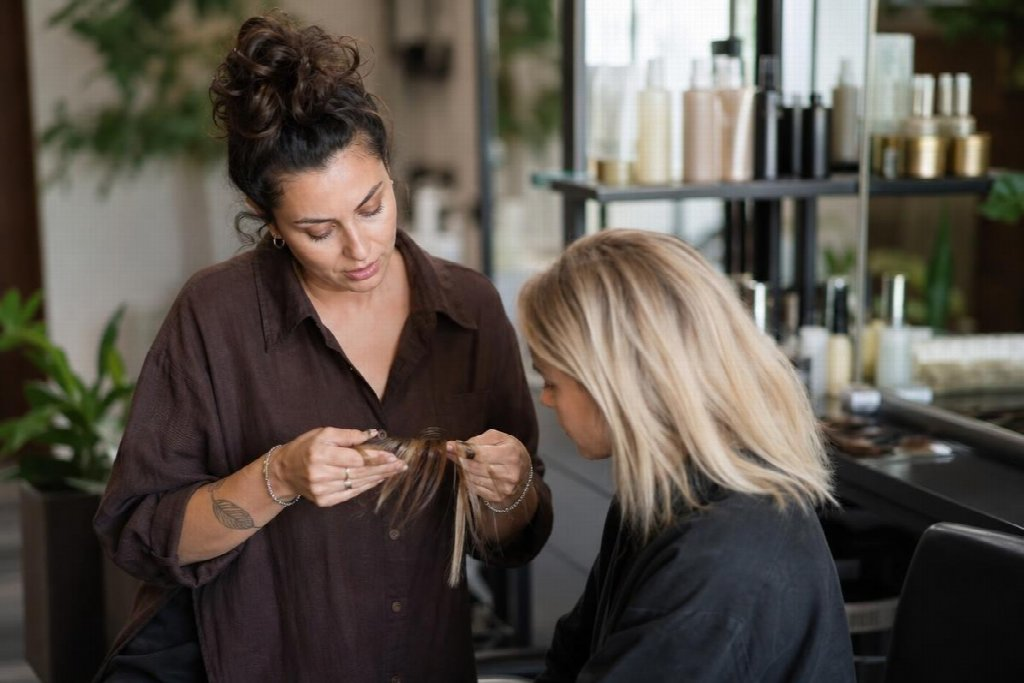
Color correction is a multi-phase protocol that addresses pigment imbalance, porosity irregularities, and tonal inconsistencies left by prior chemical services. Where a routine service deposits or lifts pigment on a predictable baseline, corrective work must first diagnose and reverse damage before any rebuilding begins. David Ryan Salon’s hair color services include structured corrective protocols designed for exactly these cases.
What Triggers the Need for Corrective Work
Cases range from neutralizing brassiness in a failed balayage to fully stripping and re-pigmenting hair saturated with years of box dye. Accumulated color buildup and repeated over-the-counter applications are among the most common causes. North Texas hard water adds another layer: iron and copper in the DFW water supply bind to the hair shaft and pull cool tones warm, which is why brassiness returns faster than clients expect.
Assessment Before Any Chemical Service
No two color histories are identical, making a thorough consultation the required first step. Stylists assess three problem layers: artificial pigment removal, structural stabilization, and tonal rebuilding. David Ryan Salon conducts this evaluation before any chemical service is performed.
Why Color Correction Cannot Be Completed in a Single Appointment
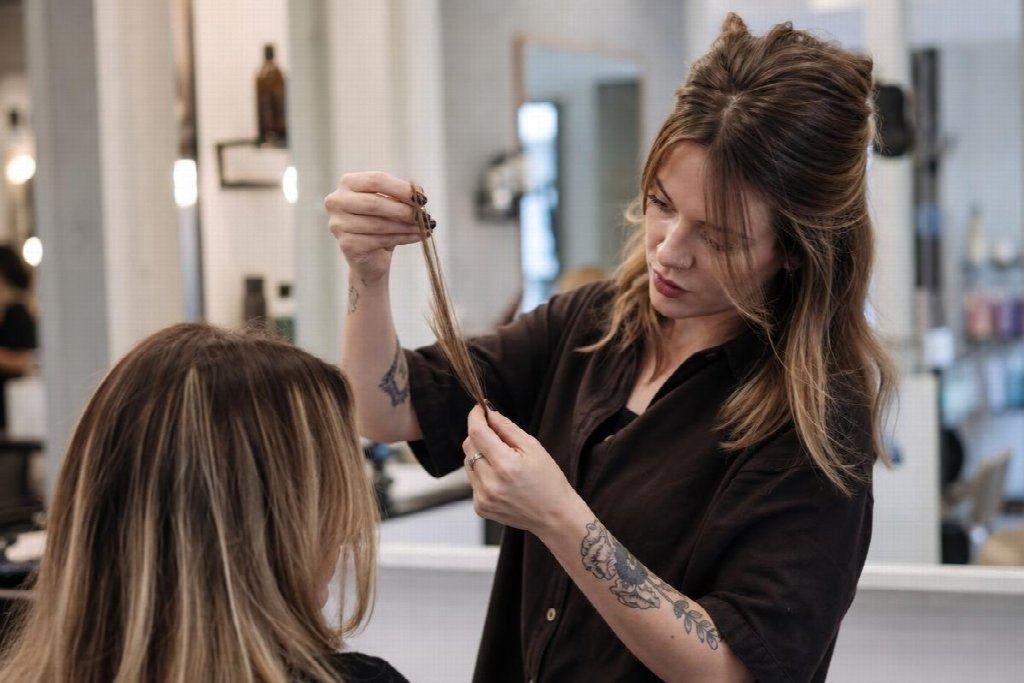
The chemistry involved—specifically the interaction between artificial pigment deposits, cuticle integrity, and the cortex’s structural bonds—requires staged intervention across multiple appointments. Rushing this process does not produce faster results; it produces hair that cannot hold any further chemical service at all.
The Role of Hair Porosity and Structural Integrity
Chemically compromised hair exhibits uneven porosity along the strand, causing a single corrective application to produce inconsistent results. High-porosity zones must be stabilized through bond-building treatments before corrective color is introduced. These treatments reinforce the disulfide bonds that provide tensile strength and elasticity. Without this stabilization phase, the corrective process compounds existing damage rather than reversing it.
How Pigment Layering Complicates the Treatment Plan
Box dye deposits large synthetic pigment molecules deep into the cortex that resist standard lightening chemistry. Staged lightening across multiple sessions removes a controlled amount of artificial pigment at each appointment, allowing the colorist to monitor elasticity and cuticle response before proceeding. David Ryan Salon’s hair color services address layered pigment history through a sequenced protocol rather than attempting full removal in a single application.
Frequently Asked Questions
How Many Sessions Does a Full Color Correction Typically Require?
Minor corrections, such as neutralizing brassiness or adjusting a single tonal shift, may resolve in one to two appointments. Cases involving multiple layers of box dye, significant damage, or a dramatic shift in depth commonly require three to five sessions. Estimates are established during the initial consultation.
Can Color Correction Be Done on Severely Damaged Hair?
Structural integrity must be addressed before any chemical service is applied. Hair with compromised elasticity typically requires a preparatory treatment phase. Bond-builders such as Olaplex reconnect broken disulfide bonds inside the cortex through bis-aminopropyl diglycol dimaleate, while protein treatments coat and temporarily reinforce the cuticle. A corrective plan often uses both at different stages. Stylists at David Ryan Salon assess elasticity and porosity before scheduling any chemical correction.
How Long Does a Color Correction Appointment Take?
A single corrective appointment typically runs two to five hours, depending on hair length, density, and processing time. A client with fine, short hair and a single tonal correction will finish considerably faster than a client with thick, long hair requiring multiple rounds of lightener and toner.
Will My Hair Look the Same After Color Correction as It Did Before the Damage?
Color correction restores a stable, healthy color state, not necessarily an exact replica of pre-damage color. Hair that has sustained repeated chemical damage may require a shorter length or a modified approach, such as a lived-in balayage rather than a uniform single-process result. David Ryan Salon’s hair color services include a consultation that sets realistic expectations based on actual hair condition.
How Much Does Color Correction Cost Compared to a Standard Color Service?
Corrective color is priced on a case-by-case basis. The higher cost reflects additional time, greater product volume, and the elevated technical skill required. A routine single-process appointment involves one formula and one application; a corrective service may involve multiple formulas, repeated processing cycles, and a toning phase.
About David Ryan Salon
David Ryan Salon is a full-service hair salon located in Flower Mound, Texas, serving clients across Denton and Tarrant counties, including Lewisville, Grapevine, Argyle, and Southlake. The salon provides hair color, cutting, and styling services with a focus on precision technique and thorough client consultation, tailoring each corrective plan to the individual hair rather than a one-size-fits-all formula.
Business Name: David Ryan Salon
Address: 4151 Cross Timbers Road Suite 150, Flower Mound, TX 75028
Phone Number: (972) 691-0022

